Cash
Cash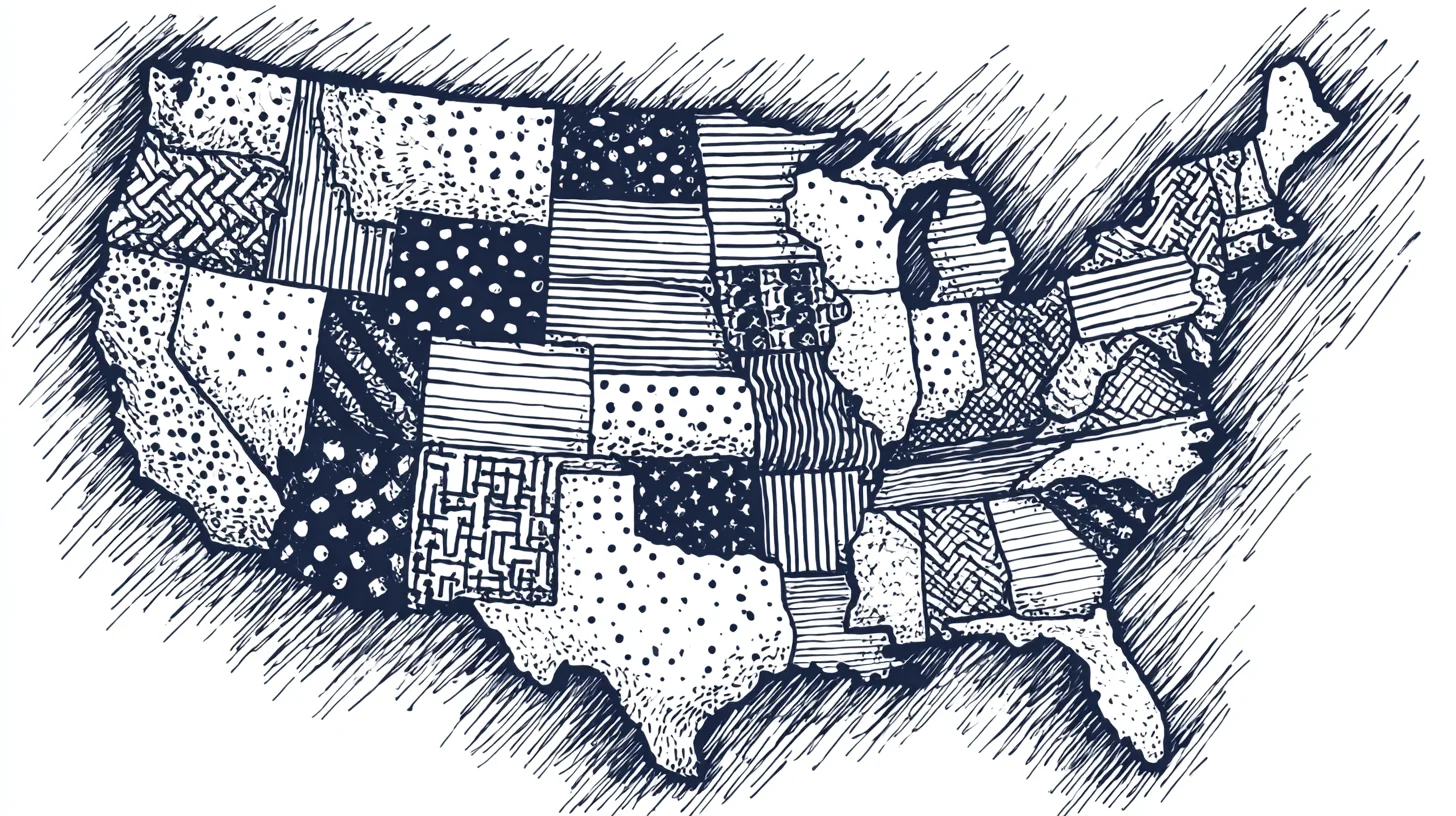
Personal loan regulations in the United States operate under a layered framework where federal laws establish baseline consumer protections while individual states impose additional requirements that can vary dramatically from one jurisdiction to the next. Understanding how these regulations affect your borrowing experience is essential for making informed decisions and recognizing when a lender's practices fall outside the bounds of legal compliance.
The Truth in Lending Act, a cornerstone of federal consumer protection, requires all lenders to disclose key loan terms using standardized formats. This includes the annual percentage rate, total finance charges, payment schedule, and the total amount repaid over the loan's lifetime. These disclosures allow borrowers to compare offers from different lenders on an equal footing, regardless of how individual companies structure their fee and interest arrangements.
At the state level, usury laws establish maximum interest rates that lenders can charge within each jurisdiction. These caps vary enormously — some states impose strict limits that significantly constrain lending terms, while others allow substantially higher rates that accommodate a broader range of borrower risk profiles. States with tighter caps may offer lower maximum rates but can also restrict credit availability for higher-risk borrowers who would be served by lenders in more permissive jurisdictions.
How State Laws Affect Your Loan Terms
Your state of residence directly influences the rates, fees, and terms available to you. Lenders operating in states with lower interest rate caps must deny applications from borrowers whose risk profile would require pricing above the legal maximum, even if those borrowers would accept the higher cost. Conversely, states with more flexible rate environments allow lenders to serve a broader population by pricing risk more granularly.
Some states require additional disclosures beyond federal minimums, mandate cooling-off periods during which borrowers can cancel agreements without penalty, restrict prepayment penalties, or impose limits on origination fees expressed as a percentage of the loan amount. These protections add layers of consumer safety but can also affect the pricing and availability of loan products within those markets.
Licensing requirements for lenders also differ by state. Some jurisdictions require separate licenses for each type of lending activity, mandate minimum capital reserves, conduct regular examinations of lending operations, and impose continuing education requirements on loan officers. States with more rigorous licensing frameworks tend to have fewer predatory operators but may also have fewer lending options overall.
Online Lending and Interstate Regulations
The growth of online lending has created regulatory complexity around which state's laws govern a particular transaction. Generally, the regulations of the borrower's state of residence apply, but some online lenders operate under the regulatory framework of their home state or partner with banks chartered in states with more favorable lending environments. Understanding this dynamic helps borrowers evaluate whether the protections they expect are actually in effect for their specific loan arrangement.
Federal regulators including the Consumer Financial Protection Bureau provide oversight that crosses state boundaries and addresses practices affecting borrowers nationwide. The CFPB monitors lending practices, investigates consumer complaints, and takes enforcement action against entities that violate federal consumer financial protection laws. This federal layer provides a safety net regardless of the strength or weakness of individual state regulatory frameworks.
Staying Informed About Your Rights
Borrower education is the most effective defense against unfavorable lending practices. Before applying for any personal loan, research your state's specific regulations regarding interest rate caps, fee limitations, required disclosures, and complaint filing procedures. Your state attorney general's office and state banking or financial regulation department are primary resources for this information and typically maintain consumer-friendly websites with accessible explanations of applicable laws.
If you believe a lender has violated state or federal lending regulations, multiple reporting avenues are available. The Consumer Financial Protection Bureau accepts complaints online, your state attorney general investigates consumer protection violations, and state banking regulators oversee licensed lending operations within their jurisdiction. Documenting your concerns with copies of all loan documents and communications strengthens any complaint and facilitates faster resolution.
Cash Time Center partners exclusively with lending entities that maintain appropriate licenses and comply with applicable state and federal regulations. Our platform's matching process accounts for your state of residence to ensure that offers presented to you conform to the legal framework governing lending in your jurisdiction. This geographic awareness protects your rights while providing access to competitive loan options from properly authorized lending partners.