The Envelope Method for Loan Payment Protection
Adapting the traditional envelope budgeting system to protect your loan payment creates a physical or digital barrier between your payment funds and discretionary spending. When income arrives, immediately transfer your loan payment amount into a separate account or designated budget category that you treat as completely unavailable until the payment date. This simple separation prevents the gradual erosion of payment funds through accumulated small spending decisions.
Digital banking tools can automate this separation through scheduled transfers that execute on payday before you have opportunity to allocate those funds elsewhere. Most banks allow multiple savings sub-accounts or automatic transfers that functionally replicate the envelope system without requiring physical cash management. The automation removes willpower from the equation entirely, converting payment protection from a monthly discipline exercise into a passive system that operates reliably regardless of your daily spending decisions.
For variable-income earners whose paycheck amounts fluctuate, establish a payment account buffer equal to one additional month's payment. This buffer absorbs the timing differences between irregular income deposits and fixed payment due dates without requiring you to track cash flow timing precisely each month. Replenish the buffer whenever income exceeds your baseline budget rather than spending surplus amounts on non-essential purchases.
Identifying Hidden Budget Leaks
Most households spend one hundred fifty to three hundred dollars monthly on subscriptions, memberships, and recurring charges they no longer actively use or value. Auditing your bank and credit card statements for these charges often reveals immediate savings potential that can be redirected toward loan repayment without any perceived lifestyle reduction. Streaming services, gym memberships, app subscriptions, magazine renewals, and software licenses commonly continue billing long after the customer has stopped using the product.
Convenience spending represents another significant budget category where small daily amounts accumulate into substantial monthly totals. Morning coffee purchases, lunch delivery orders, convenience store snacks, and ride-share trips for distances easily covered by walking or public transit each seem insignificant individually but collectively may consume two hundred to four hundred dollars monthly. Identifying even half of this spending as redirectable toward loan repayment accelerates your payoff timeline meaningfully.
Negotiate recurring bills including internet service, cell phone plans, insurance premiums, and credit card interest rates at least annually. Service providers frequently offer retention pricing to existing customers who request rate reviews, and competitive market conditions create leverage that most consumers leave unused simply because they never ask. A thirty-minute phone call that reduces your internet bill by twenty dollars monthly generates two hundred forty dollars in annual savings for minimal effort.
Using Technology for Payment Management
Budgeting applications that connect directly to your bank accounts provide real-time visibility into your spending patterns and remaining payment capacity throughout each month. These tools categorize transactions automatically, alert you when spending in discretionary categories approaches preset limits, and forecast whether your current pace will accommodate all scheduled obligations by month end.
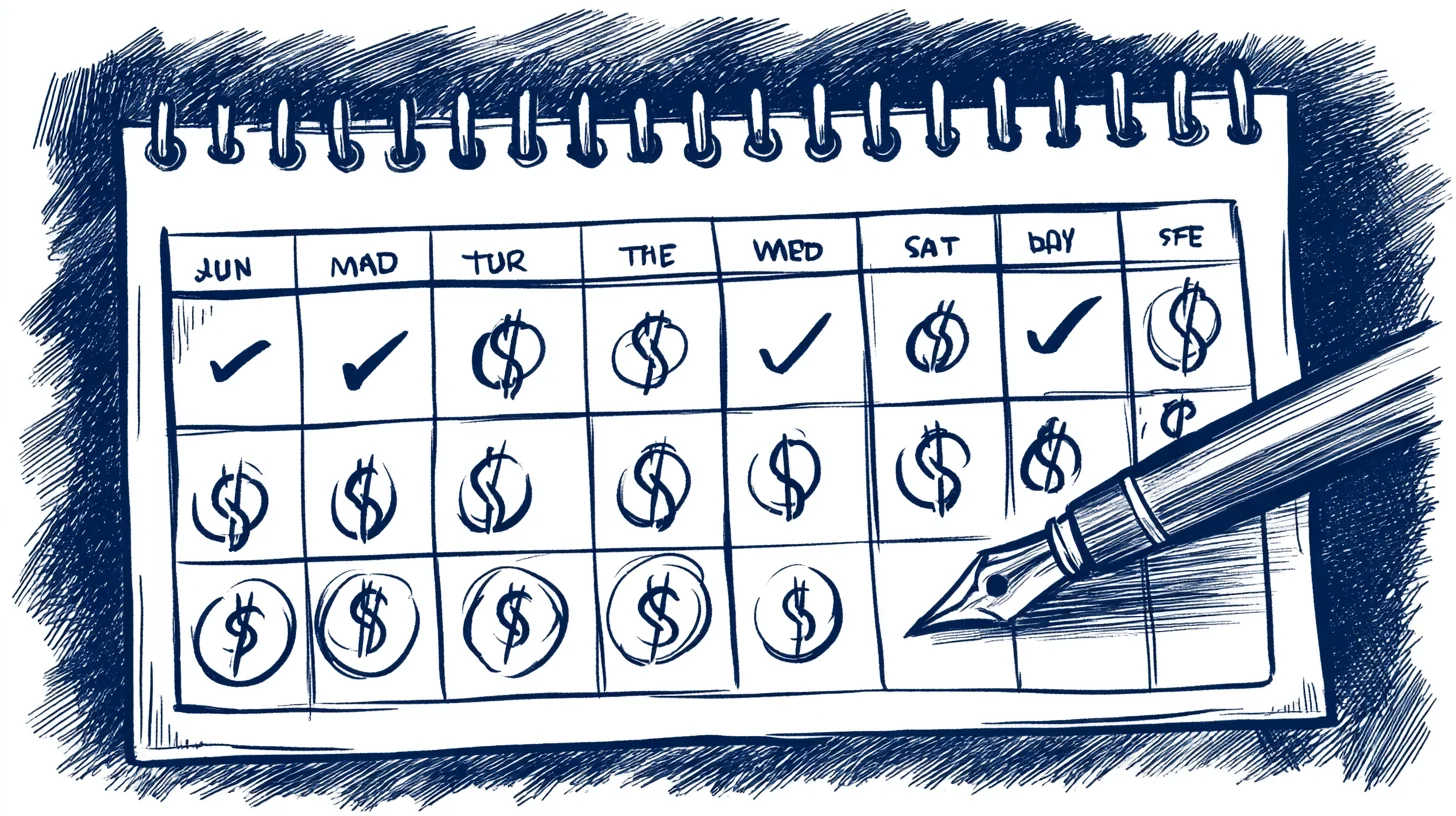
Calendar integration that displays upcoming payment dates alongside income deposit dates creates a visual timeline that prevents the cash flow gaps responsible for most payment failures. When you can see that your loan payment falls three days before your next paycheck, you can plan accordingly by reserving funds or adjusting discretionary spending during the preceding days.
Many lenders offer mobile notifications that confirm payment processing, alert you to approaching due dates, and provide balance updates after each payment. Enabling all available notification types creates a passive monitoring system that keeps your loan obligations visible without requiring active checking.
Seasonal Budget Adjustments for Consistent Payments
Most household budgets experience predictable seasonal variations that threaten payment consistency if not anticipated and managed proactively. Winter heating costs, summer cooling expenses, holiday spending pressure, back-to-school expenses, and annual insurance premium renewals all create temporary budget compression that can crowd out loan payment capacity during specific months.
Map these known seasonal expenses onto a twelve-month calendar alongside your loan payment dates to identify the months where budget pressure will be highest. During these months, reduce discretionary spending preemptively rather than reactively to ensure loan payment funds remain protected. During lower-expense months, direct any budget surplus toward either emergency savings or accelerated loan repayment rather than increasing discretionary spending to fill the temporary capacity.
Holiday spending represents the most common source of seasonal budget disruption for loan borrowers. Establishing a monthly holiday savings contribution of fifty to one hundred dollars throughout the year eliminates the December budget crisis that forces many borrowers to choose between gift-giving traditions and financial obligations. This simple planning technique prevents one of the most predictable annual threats to payment consistency.
 Cash
Cash